Shin Guards for Kids by Age (3 to 14): Sizes, Slip-In vs Ankle Guards and What to Buy
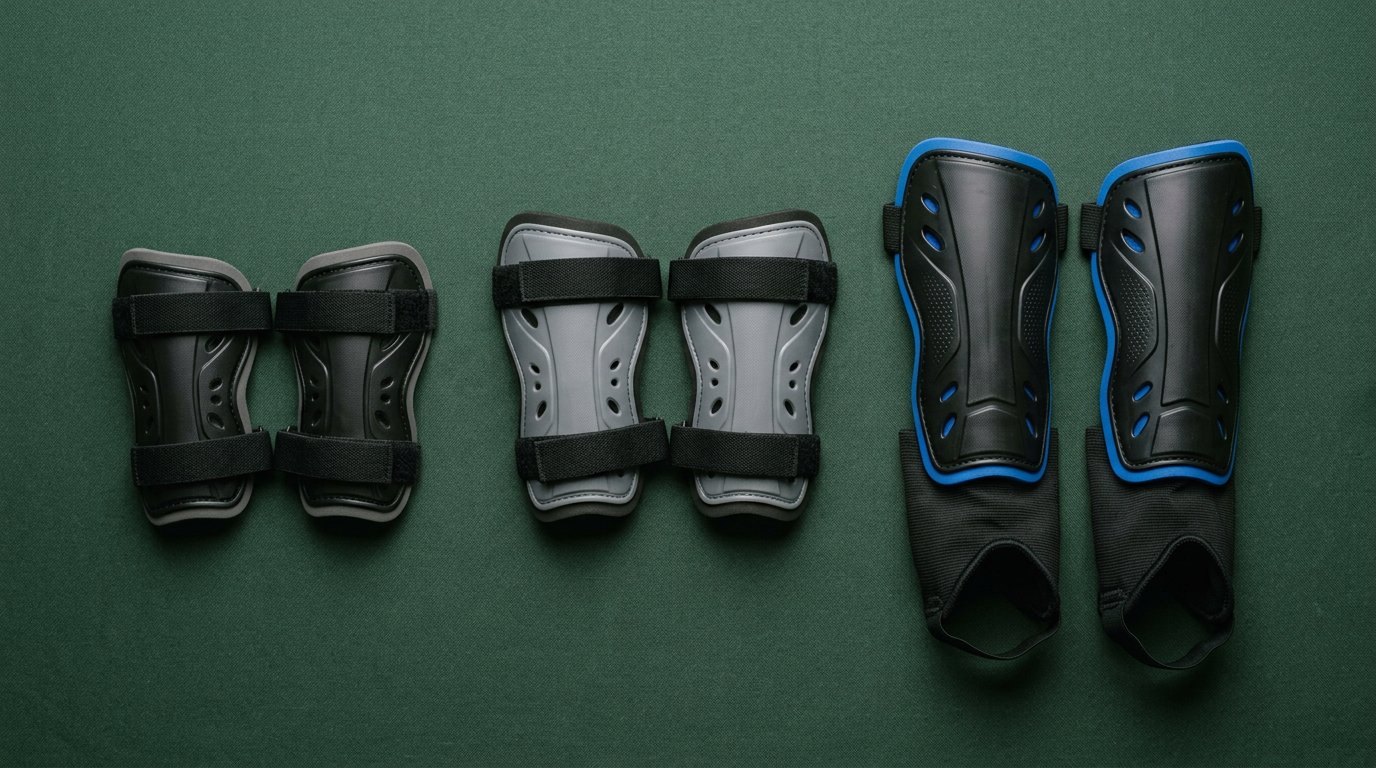
Shin guards are the one piece of kit every league makes compulsory, and the one parents buy most carelessly. A guard that is too long digs into the knee; one that is too short leaves the most-kicked part of the shin open; one with ankle sleeves on a nine-year-old who hates them ends up in the bag. This guide gives you the size by height and age, explains the three types, and tells you what to buy at each stage.
Size by height, not by age
Manufacturers size shin guards by the player's height. Age is only a hint; use the height column.
| Size | Player height | Typical age | Guard length |
|---|---|---|---|
| XXS / Peewee | Under 3 ft 3 in (under 100 cm) | 3 to 4 | About 5 in (13 cm) |
| XS | 3 ft 3 in to 3 ft 11 in (100 to 120 cm) | 4 to 6 | About 6 in (15 cm) |
| S | 3 ft 11 in to 4 ft 7 in (120 to 140 cm) | 7 to 9 | About 7 in (18 cm) |
| M | 4 ft 7 in to 5 ft 3 in (140 to 160 cm) | 10 to 12 | About 8 in (20 cm) |
| L | 5 ft 3 in to 5 ft 11 in (160 to 180 cm) | 13 and over | About 9 in (23 cm) |
The guard should start about 2 in (5 cm) below the knee and finish just above the ankle bone. If the child is at the top of a height range, go up a size.
Ankle guards, slip-ins or sleeves: which type at which age
- Ankle shin guards (shield plus padded stirrup around the ankle) are the right choice for under-9s. They stay in place without tight socks, protect the ankle bones, and the Velcro strap survives a child putting them on alone.
- Slip-in shields are the lightest and what older players prefer. They need something to hold them: a compression sleeve, grip socks or tape. Fine from age ten upwards.
- Sleeve-integrated guards (a shield sewn into a sock-like sleeve) are a good middle step for eight to twelve-year-olds who refuse ankle guards but lose slip-ins.
Materials and protection levels
Entry-level guards use a polypropylene shell with EVA foam backing: light, cheap, adequate for recreational play. Mid-range guards add a thicker shell or carbon-look composite. Only competitive teenagers need genuine carbon-fibre guards. Check for a NOCSAE mark if your league requires it (several US high-school associations do).
Our picks
By age group, with the type that actually gets worn. Links open current Amazon results.
Peewee ankle shin guards
Padded stirrup, Velcro strap, easy for small hands; the type that stays on.
Youth ankle shin guards, size S
Still with ankle protection, slightly stiffer shell for faster play.
Shin guard sleeves with slip-in shields
No stirrup, no tape; the compromise most pre-teens accept.
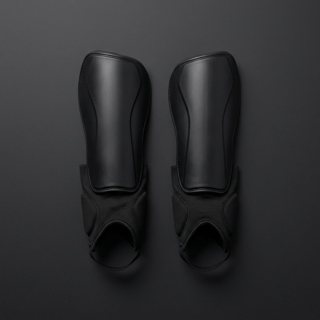
Lightweight slip-in shields, size M to L
Minimal and low-profile for competitive players who hate bulk.
Compression sleeves for shin guards
Hold slip-ins exactly where they should be, no tape.
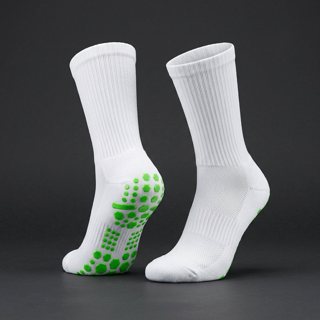
Grip socks with shin guard cut-outs
Stops socks sliding over the guard and gives traction in the boot.
Fit checks, washing and the smell problem
Put the guard on with the match socks and ask the child to run and kneel; it should not slide or press on the kneecap. Wash the foam backing with soapy water every couple of weeks and leave guards out of the bag to dry; the smell most parents complain about is bacteria in a damp bag, not the guard itself.
Do toddlers really need shin guards?
If the club requires them, yes. Choose the smallest ankle guard and accept that it will be oversized; protection matters less than getting the habit started.
How do I keep slip-in guards from moving?
Compression sleeves are the cleanest solution. Grip socks worn over the guard also work and most teenagers prefer them to tape.
Pair the guard with the right ball size and boots: the starter kit checklist lists everything a new player needs by age.
Comments
Post a Comment