Best Soccer Cleats for Kids: How to Choose by Age, Surface and Foot Shape (Wide Feet Included)
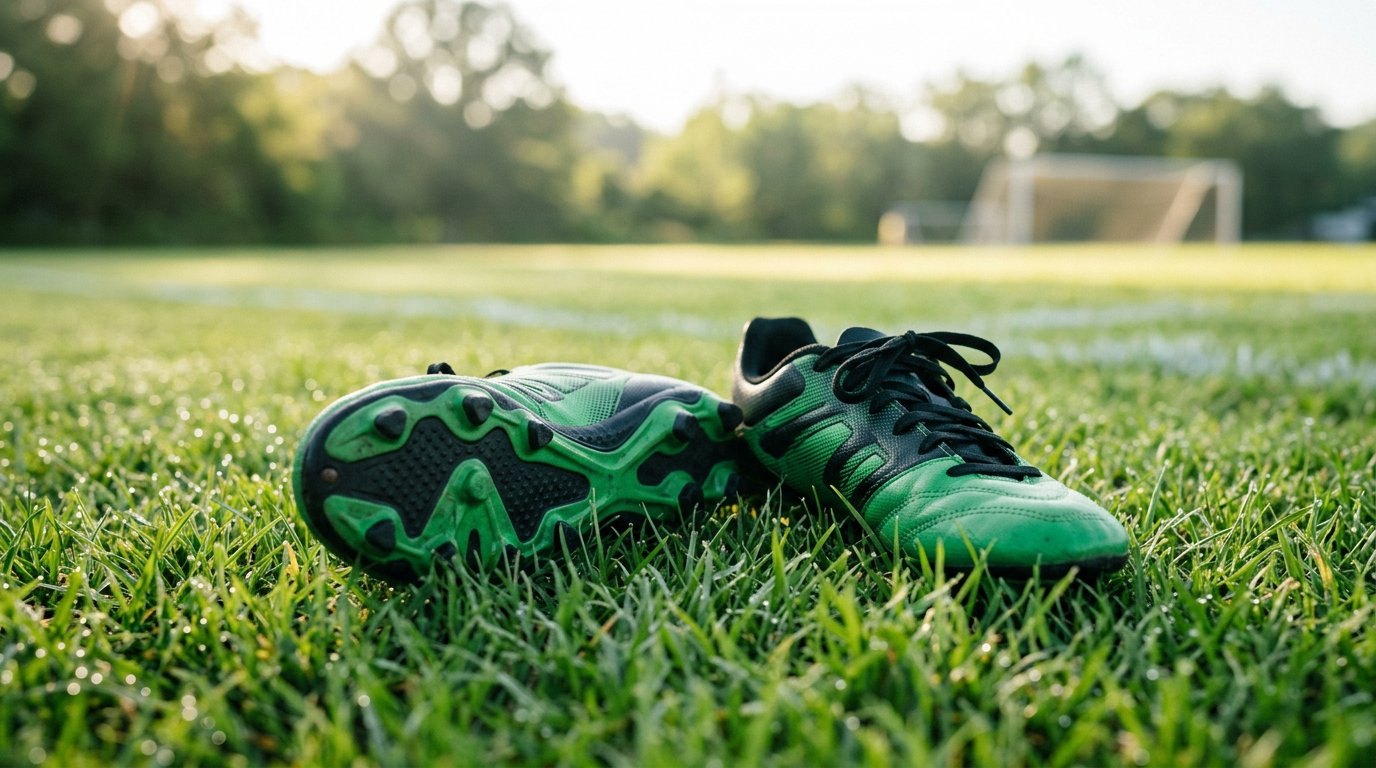
Children outgrow soccer cleats every six to nine months, so the goal is not the perfect boot; it is the right boot for this season at a price you can repeat. Fit, stud type and upper material matter far more than the model the professionals wear. This guide explains how to size a growing foot, which sole plate suits each surface, what to do about wide feet and which boots are worth the money at each age.
Size first: how much room a growing foot needs
Measure the foot standing, heel against a wall, at the end of the day. Add 0.3 to 0.5 in (8 to 12 mm) for a child under ten and 0.3 in for older kids. More than that and the boot slaps, the toes claw and blisters follow. Youth cleats run narrow in most brands; if the foot is wide, size up half a size at most and look at the brands below instead of going up two sizes.
Check the fit monthly. The first sign a boot is too small is a child who suddenly dislikes playing in them, not a complaint about the toes.
Firm ground, turf or indoor: match the sole to the surface
| Sole | Surface | What it looks like | Avoid on |
|---|---|---|---|
| FG (firm ground) | Natural grass, dry to normal | Moulded blades or conical studs, 10 to 13 of them | Artificial turf (studs too long, ankle risk), concrete |
| AG / MG (artificial, multi) | 3G artificial grass and natural grass | Many shorter conical studs | Nothing; the safest all-rounder for youth |
| TF (turf) | Short artificial turf, hard dry ground | Dozens of small rubber nubs | Wet natural grass |
| IC / IN (indoor) | Gym floors, futsal courts | Flat gum-rubber sole | Anything outdoors |
| SG (soft ground) | Wet, muddy grass | Metal or mixed screw-in studs | Banned in most youth leagues |
Most clubs in the United States train on artificial turf and play on grass. For that combination one pair of MG or AG boots is enough until the player reaches competitive teenage levels.
Laces, velcro and uppers by age
- Under 7: velcro closure, synthetic upper, TF or MG sole. Comfort and getting the boot on without help are everything.
- 7 to 11: laced synthetic boots with a padded tongue; MG sole. Leather is unnecessary at this age and takes longer to break in.
- 12 and over: this is when foot shape starts to matter. Wide feet do well in leather or in brands cut on a roomier last; narrow feet suit knit uppers that wrap the foot.
Wide feet, flat feet and heel pain
Wide feet: look for boots built on a wider last (some brands offer a "wide" version) or for kangaroo leather, which stretches across the forefoot. Flat feet: the boot should have a firm heel counter and room for a thin supportive insole; avoid the thinnest speed boots. Heel pain in growing children between eight and fourteen is often Sever's disease; a boot with a slightly raised, cushioned heel and a gel heel cup helps, and a doctor should confirm the cause.
Our picks
We recommend by category rather than by this season's colourway; the links show what is in stock in each category today.
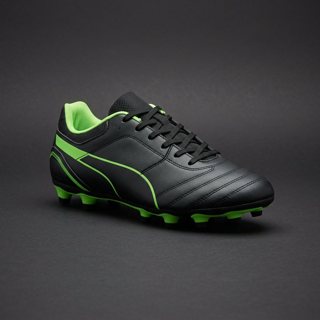
Velcro youth cleats, turf or multi-ground
Easy on and off, soft synthetic upper, no laces to trip over.
Youth multi-ground cleats
One pair for turf training and grass matches; the safest buy for most families.
Wide-fit youth soccer cleats
Roomier forefoot without sizing up; fewer blisters and better touch.
Youth turf shoes
Rubber nub sole for short artificial turf and hard ground.
Kids indoor soccer shoes, gum sole
Flat non-marking sole for futsal and gym sessions.
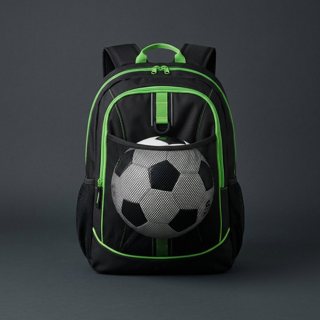
Boot bag and brush
Keeps mud out of the car and off the carpet; boots dry properly.
Breaking in, care and when to replace
Wear new boots around the house for two or three evenings with the match socks before the first session. Clean mud off with a brush and a damp cloth, stuff them with newspaper to dry and never put them on a radiator. Replace when the studs are worn flat, the upper splits at the flex point or the toes touch the end. A youth boot rarely lasts more than one season of twice-weekly play, and that is normal.
Can my child wear football (American) or baseball cleats for soccer?
No. Both have a toe stud that is banned in soccer and is dangerous in tackles. Referees will send the player off the pitch.
Are expensive boots better for kids?
Below age twelve, no. Above that, mid-range boots give most of the benefit of the top tier at a third of the price.
Shin guards and socks have their own sizing rules; see our shin guard guides once they are live, and the starter kit checklist in the Gear Lab.
Comments
Post a Comment