Soccer Training Jerseys and Practice Clothes: What to Wear to Practice by Weather, Age and Budget
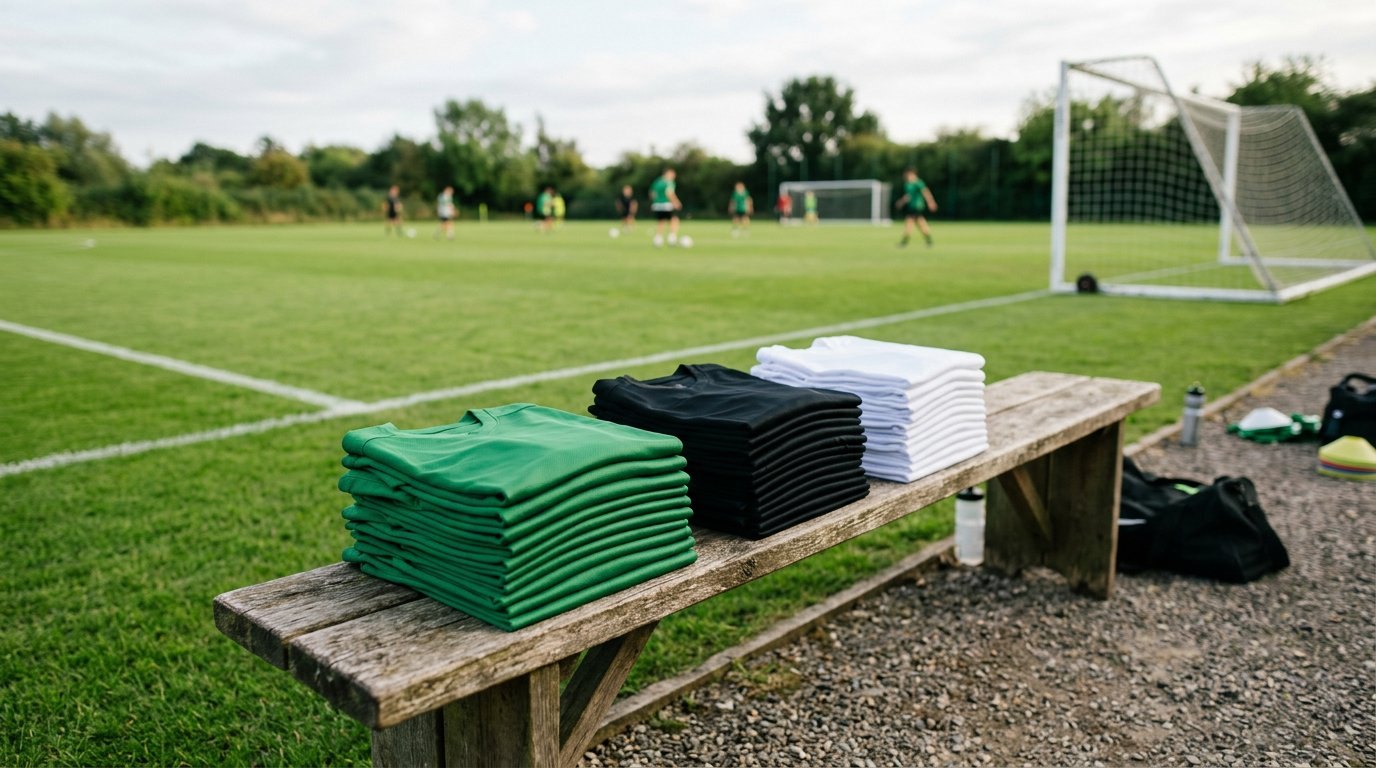
Match kit is decided by the club; practice clothes are decided by whoever packs the bag, usually at 6 a.m. The wrong choice is cotton: it soaks up sweat, gets heavy, chafes and goes cold. This guide covers what a training jersey should be made of, how to layer it for each season, how many a player needs and what to buy at each price point without wasting money on replica shirts that will be out of date by spring.
Fabric first: why cotton is the problem
Cotton holds up to a quarter of its weight in water. A polyester training jersey holds almost none, dries in minutes and weighs a fraction. Any polyester or polyester-blend shirt sold as a training, performance or wicking top does the job; the brand names for the fabric are marketing. Avoid anything labelled 100 percent cotton, including the free tournament T-shirts.
Layering by weather
| Conditions | Layers |
|---|---|
| Hot, above 77 F (25 C) | Lightweight wicking jersey, light colour. Nothing underneath. |
| Mild, 55 to 77 F (13 to 25 C) | Standard training jersey; a long-sleeve base layer for the first ten minutes if the player feels the cold. |
| Cold, 40 to 55 F (5 to 13 C) | Compression base layer under the jersey, training pants or leggings under shorts, light gloves. |
| Below 40 F (5 C) or wind | Base layer, jersey, quarter-zip midlayer, rain jacket in the bag, beanie allowed at most youth training. |
Base layers do more for warmth than a thicker jersey does, and they go under the match shirt too.
How many does a player need?
Two training jerseys per weekly session the player attends: training twice a week means four shirts, which allows a wash cycle and a spare. Buy them in a neutral colour or in the club colour; clubs often sell their own, and those are fine if the price is reasonable.
Replica shirts versus training tops
Replica match shirts cost three to five times a training top and are not better for training. They are gifts, not kit. If a child wants one, buy last season's version at a discount and keep it for match days and school, not for sliding on turf.
Our picks
Links open current Amazon results in each category.
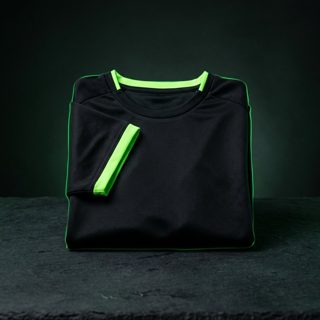
Youth training jerseys, multipack
Three or more wicking tops; the cheapest way to cover a season.
Adult performance training top
Light, wicking, lasts years; buy two.
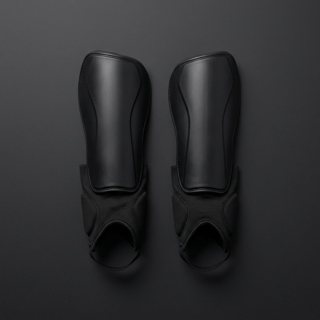
Youth compression long-sleeve base layer
The layer that actually keeps a child warm; goes under any shirt.
Quarter-zip training top
Warm-up and cold evenings; the piece that gets worn to school too.
Lightweight packable rain jacket
Lives in the kit bag; the difference between training and standing in the car.
Sports detergent
Removes odour bacteria that normal detergent leaves in polyester.
Care and the smell problem
Polyester holds odour bacteria more than cotton does. Wash soon after training, inside out, cold or warm, never with fabric softener (it coats the fibres and kills wicking). A sports detergent or a cup of white vinegar in the rinse fixes jerseys that smell clean out of the drawer and foul after five minutes.
Can a child train in a match shirt?
Yes, but the club usually asks that match shirts be kept for matches so they stay presentable.
Do compression tops help performance?
They help warmth and comfort; the performance claims are not well supported. Buy them for cold weather.
Shorts and socks have their own sizing quirks; see our shorts guide and grip socks guide.
Comments
Post a Comment