Soccer Headbands: Do They Help, Which Type to Choose (Thin, Wrap, Padded) and Sizes for Kids and Adults
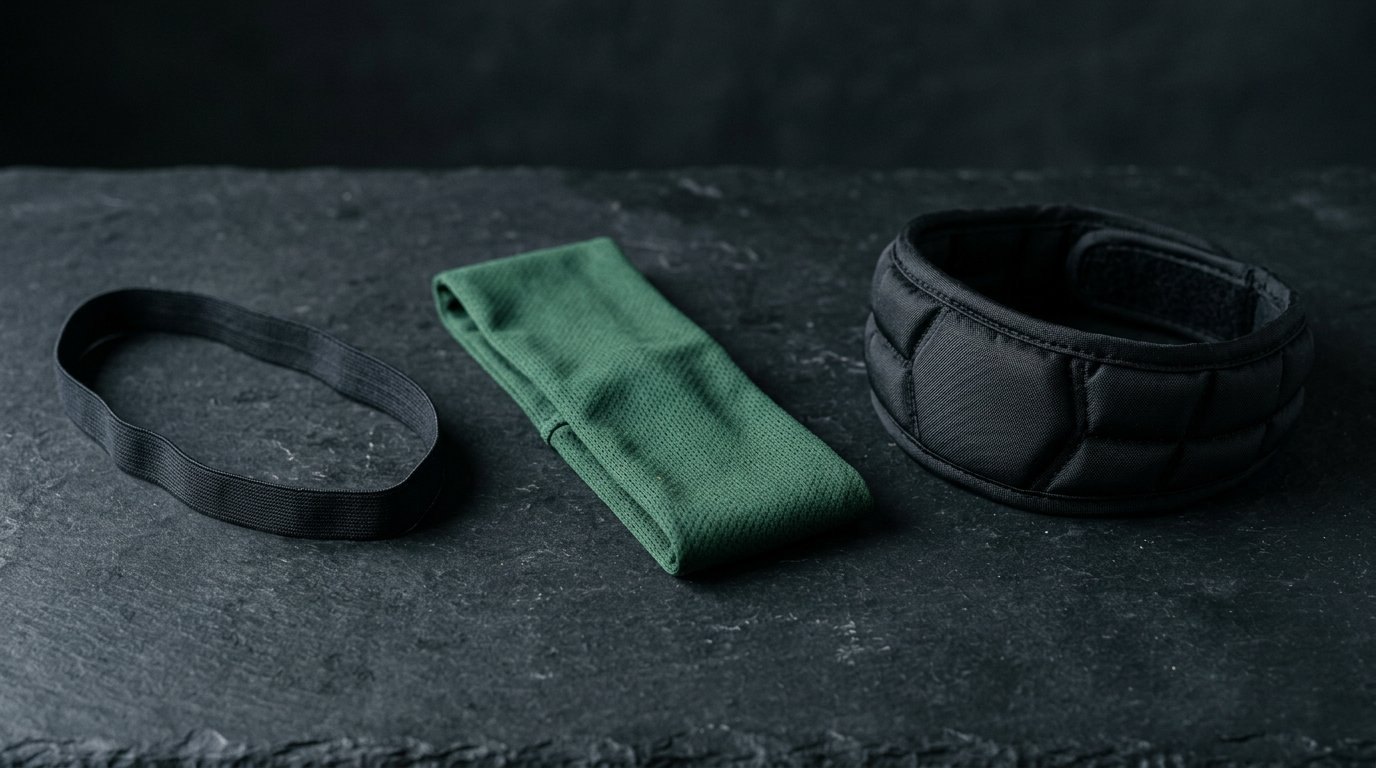
Headbands are the cheapest piece of football kit and one of the few that players at every level actually ask for. They keep sweat and hair out of the eyes, which matters more than it sounds when a cross is coming in with the sun behind it, and a padded version is the only head protection most youth leagues allow. This guide covers the three types, sizing for children and adults, what the rules say and which ones stay in place.
Three types and what each one is for
- Thin elastic bands (about 0.5 in / 1 cm wide), often sold in packs. They hold short hair and a fringe; they do nothing for sweat. Cheap, light, easy to lose.
- Wide wraps and tie bands (1.5 to 2.5 in / 4 to 6 cm). Absorb sweat, hold long hair, and tie bands are adjustable for small heads. The type most players over ten end up wearing.
- Padded headbands and headguards. A foam layer around the forehead and temples. They do not prevent concussion, but they reduce cuts and bruising from clashes of heads and are allowed under the laws of the game as long as they have no hard parts.
Sizing for kids and adults
| Head circumference | Typical age | What fits |
|---|---|---|
| 19 to 20.5 in (48 to 52 cm) | 4 to 8 | Youth sizes or tie bands; adult elastic is too loose |
| 20.5 to 22 in (52 to 56 cm) | 9 to 13 | Youth or adult small; most wraps fit |
| 22 to 23.5 in (56 to 60 cm) | Teen and adult | Adult one-size elastic and wraps |
Measure above the ears and across the middle of the forehead. For a child, a tie band avoids the sizing question altogether.
What the rules allow
Headbands are permitted if they are soft and match the colour rules of the competition; many youth leagues ask that they be a single colour. Anything with a hard clip, a bead or a knot that could injure another player will be removed by the referee. Padded headguards are explicitly allowed by the laws and increasingly worn in youth football in the United States, where some clubs require them from U11.
Our picks
Links open current Amazon results in each category.
Wide sweat-wicking headband
Absorbs sweat, holds hair, fits most players over ten.
Tie headbands, youth multipack
Adjustable, no sizing problem, cheap to replace when lost.
Thin elastic headbands, pack
For fringes and short hair; buy a pack because they disappear.
Padded soccer headguard, youth and adult sizes
Soft foam, league-legal, fewer cuts and bruises from head clashes.
Wide hair wrap with silicone grip
Stays put at full sprint; the silicone strip is what matters.
Washing and making them last
Wash cold with the kit and air-dry; dryers kill the elastic. A thin band lasts a season if it is not lost; a padded headguard lasts two or three seasons and should be replaced if the foam compresses or the stitching opens.
Do padded headbands prevent concussion?
No. The evidence is that they reduce superficial injuries and may reduce the force of some impacts. They are worth wearing, but not a reason to head the ball more.
Can boys wear headbands in matches?
Yes. Plenty of professionals do; the rules are the same for everyone.
Everything else on the player, from jersey to studs, is covered in our guides; start with the Gear Lab kit checklist.
Comments
Post a Comment