Soccer Cleats vs Football, Baseball and Lacrosse Cleats: What Is Different and Can You Swap Them?
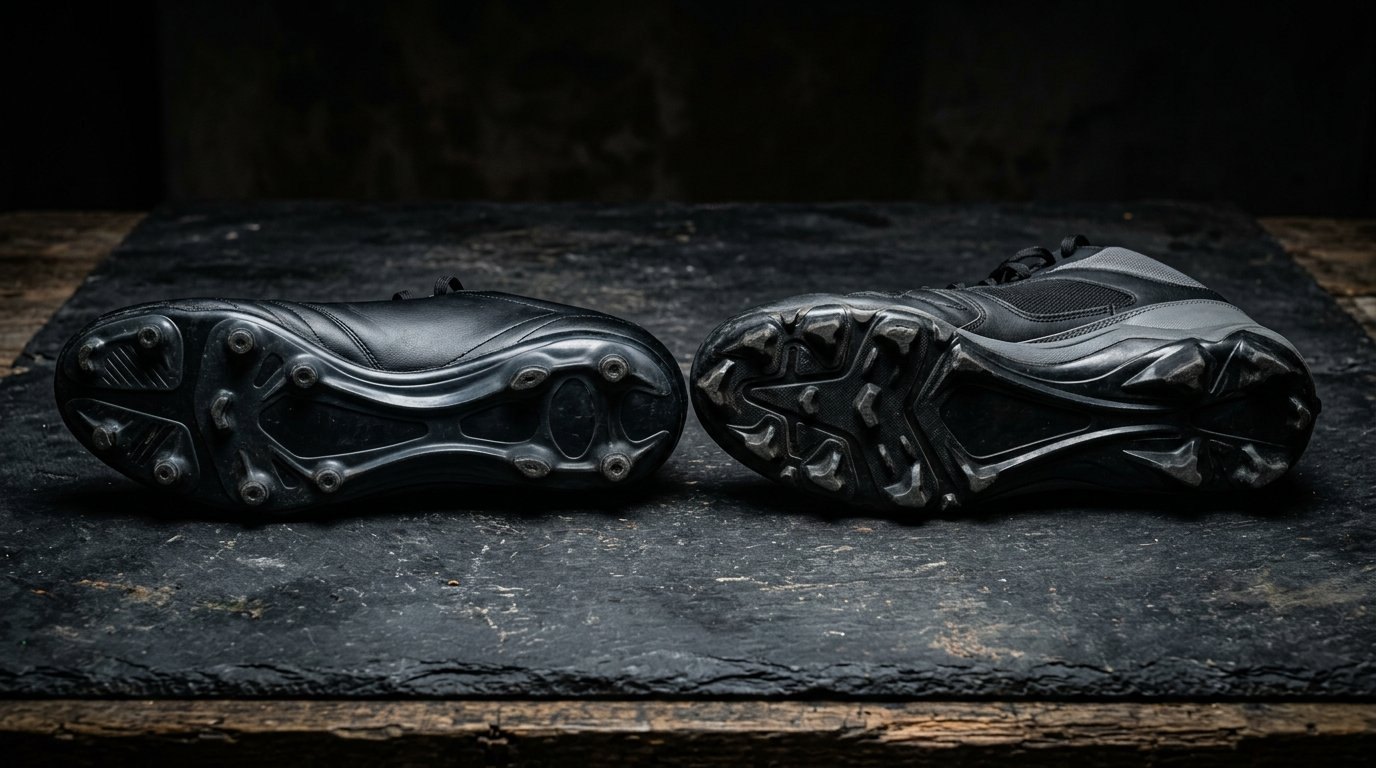
Every autumn a parent asks whether the baseball cleats from spring will do for soccer, or whether soccer cleats can be worn for flag football. The short answer: soccer cleats work for almost every other field sport; the reverse is not true, and in soccer it is against the rules. Here is the actual difference, sport by sport, and what to buy if one child plays several.
The one difference that matters: the toe stud
American football, baseball, softball and lacrosse cleats have a stud at the very front of the sole, under the big toe, for pushing off from a static position. Soccer cleats never have it, for two reasons: it would ruin the striking surface of the foot, and it is a hazard in tackles. Soccer laws require the sole to be free of that toe stud, and referees in youth leagues check. A child who turns up in baseball cleats will be asked to change.
Sport by sport
| Cleat | Toe stud | Cut | Studs | Usable for soccer? | Soccer cleats usable for it? |
|---|---|---|---|---|---|
| Soccer | No | Low | Moulded blades or cones | Yes | Yes |
| American football | Yes | Low, mid or high | Longer, often removable | No | Yes, allowed in most youth and flag leagues |
| Baseball / softball | Yes | Low or mid | Metal (older players) or moulded | No | Yes, at youth level with moulded studs |
| Lacrosse | Yes | Mid, ankle support | Similar to football | No | Yes, commonly done |
| Rugby | No (but longer studs) | Low or mid | Longer, often screw-in | Usually, if stud length is legal | Yes |
If one child plays two sports
Buy soccer cleats. They are legal in soccer, accepted in youth football, flag football, lacrosse and most youth baseball leagues (check for metal-stud rules), and they are lighter. The only case where a second pair is worth it is a lacrosse or football player who needs ankle support from a mid-cut, which soccer cleats do not offer.
Turf shoes: the real all-rounder
For a family that plays several sports mostly on artificial turf, a turf shoe (rubber nubs, no studs) is legal in every sport named above and comfortable enough to wear to and from practice. It is not ideal on wet grass, but it solves the "which cleats today" problem for most of the year.
Our picks
Links open current Amazon results in each category.
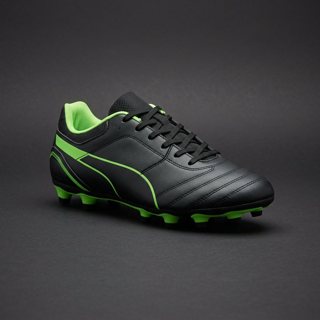
Youth soccer cleats, multi-ground
Legal in soccer, accepted in flag football, lacrosse and youth baseball.
Turf training shoes
No studs, legal everywhere, comfortable for mixed-sport weeks.
Adult firm-ground soccer cleats
Moulded blades for grass; works for rec soccer and flag football.
Cleat cleaner brush and bag
One pair for several sports needs to be clean for each.
Quick answers
Can soccer cleats be used for flag football?
Yes. Most flag leagues prefer them because the lack of a toe stud makes them safer.
Can football cleats be used for soccer if I remove the toe stud?
Not on moulded soles. On screw-in soles the empty socket is still a protruding edge and most referees will refuse it.
Are metal studs allowed in youth soccer?
Metal-tipped soccer studs (soft ground) are legal under the laws but banned by most youth leagues. Check the league handbook.
Sizing a growing foot is the next question; our boot guides cover it by age and surface.
Comments
Post a Comment